Le siège est une tactique militaire ; le blocus, en revanche, est une méthode d’anéantissement qui cible directement les civils. À Karabakh, à Gaza et aujourd’hui au Rojava, le blocus imposé vise la destruction sociale en rendant la vie impossible. Les territoires changent, mais les méthodes, les acteurs et les résultats demeurent inchangés.
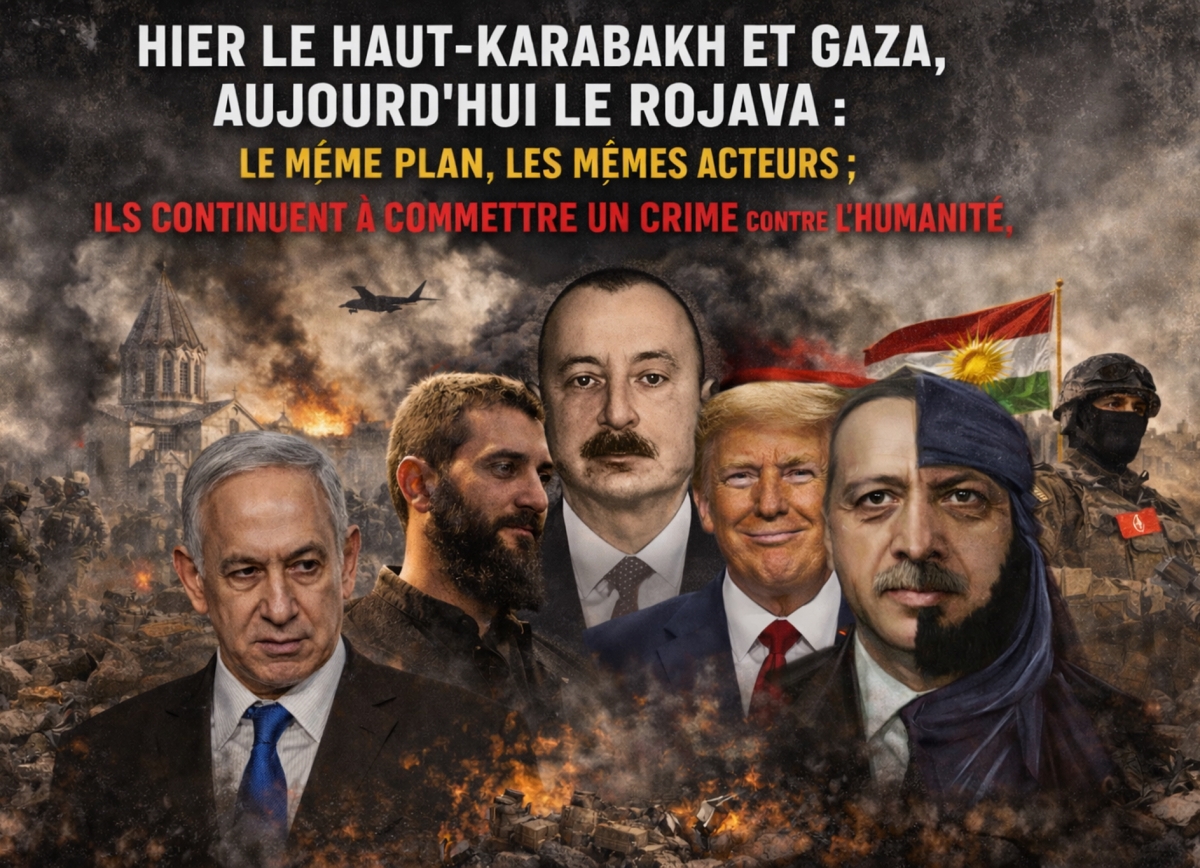
Karabakh, Gaza et aujourd’hui le Rojava
Des géographies différentes, des peuples différents ; pourtant, ce qui se passe n’est pas dissocié. Nous sommes confrontés à différentes manifestations d’un même plan d’anéantissement, mis en œuvre sur des terrains distincts par une même logique stratégique, poursuivant les mêmes objectifs politiques et servi par les mêmes centres de pouvoir.
Au cœur de ce plan se trouve le blocus. Cependant, contrairement à ce qui est souvent présenté comme une « mesure de sécurité », le blocus n’en est pas une. Le blocus est la poursuite de la guerre par d’autres moyens. Sans recourir directement aux armes, il vise à soumettre les populations en détruisant les conditions matérielles de la vie. L’accès à la nourriture, à l’eau, à l’électricité, aux médicaments et aux soins de santé est coupé ; l’aide humanitaire est bloquée. Les populations sont livrées à la faim, à la maladie et à une mort lente.
Il est nécessaire d’établir ici une distinction fondamentale. Le siège est une tactique militaire, appliquée principalement entre forces combattantes. Le blocus, en revanche, est dirigé directement contre la population civile. Tous les liens avec le monde extérieur sont rompus et les ressources vitales sont délibérément détruites. Pour cette raison, le blocus constitue une forme d’anéantissement bien plus violente et inhumaine que la destruction militaire directe.
Karabakh : Un Processus Qui a Commencé par le Blocus et s’est Achevé par l’Occupation
Ce modèle a été appliqué à Artsakh (Karabakh) à partir du 12 décembre 2022. Sous le contrôle des forces « de maintien de la paix » azerbaïdjanaises et russes, le corridor de Latchine a été fermé, plaçant 120 000 civils dont 30 000 enfants sous blocus pendant dix mois. L’accès à la nourriture, à l’eau, à l’électricité, aux médicaments et aux services de santé a été coupé ; l’aide humanitaire a été empêchée.
Ce processus s’est transformé en occupation militaire le 20 septembre 2023. Environ 200 personnes ont perdu la vie et plus de 400 ont été blessées. Lors des frappes aériennes, au moins 10 civils (dont 5 enfants) ont été tués, 40 personnes blessées, parmi lesquelles 13 enfants.
Le bilan militaire de la guerre du Karabakh a également été lourd : plus de 5 000 soldats ont été tués et des milliers sont devenus invalides. Le fait qu’environ 80 % des soldats tués aient été âgés de 18 à 25 ans montre que cette guerre n’a pas seulement détruit des civils, mais toute une génération.
Dans cette guerre, la Turquie n’était pas simplement un acteur de soutien, mais une force directement engagée sur le terrain. Les opérations de l’armée azerbaïdjanaise ont été menées avec la planification militaire et la contribution effective de la Turquie. Tandis qu’Israël, le Pakistan et la Russie apportaient un soutien militaire et stratégique, les États-Unis et l’Union européenne ont donné leur approbation tacite par leur silence. Le rôle de la Turquie au Karabakh a été clairement exprimé par les paroles du président Recep Tayyip Erdoğan : « Comme nous sommes entrés au Karabakh, comme nous sommes entrés en Libye, si nécessaire, nous entrerons aussi en Israël. »
Gaza : L’Application du Même Plan de Manière Encore Plus Dévastatrice.
À Gaza, la même méthode a produit des conséquences bien plus destructrices. Après le 7 octobre 2023, les attaques israéliennes et l’imposition d’un blocus total ont causé la mort de plus de 70 000 Palestiniens, selon différentes sources. Environ 70 à 80 % des personnes tuées sont des enfants, des femmes et des civils âgés. Plus de 170 000 personnes ont été blessées et environ 80 à 90 % de la population de Gaza soit près de deux millions de personnes ont été déplacées de force.
Le ciblage des hôpitaux par Israël, ainsi que le blocage de l’entrée de nourriture, d’eau, d’électricité et de médicaments, ont transformé Gaza en une zone de catastrophe humanitaire collective. Les attaques du Hamas contre des civils israéliens sont inacceptables ; cependant, le fait d’utiliser ces attaques comme justification pour punir collectivement une population civile de deux millions de personnes est également inacceptable. Tandis qu’Israël a ouvert de profondes blessures dans la conscience des peuples du monde par les crimes contre l’humanité qu’il a commis, il a été condamné dans les institutions et tribunaux internationaux. La colère contre Israël et Netanyahu s’est manifestée par des vagues de protestations de millions de personnes à travers le monde.
Rojava : La Résistance de Mobilisation du Peuple Kurde Face à la Guerre, au Siège, au Blocus, au Déni, à l’Extermination et au Génocide.
Aujourd’hui, un tableau similaire se déroule au Rojava. Cependant, il n’est plus possible de décrire ce qui se passe avec des termes tels que « conflit », « tension » ou « violation du cessez-le-feu ». Tandis que le cessez-le-feu existe sur le papier, des attaques intenses et systématiques se poursuivent sur le terrain. Selon les dernières informations, au moins sept enfants ont perdu la vie à cause de la faim et du froid en raison des conditions de blocus. Il s’agit du résultat direct du siège et du blocus délibérément maintenus.
Le Rojava est aujourd’hui assiégé sur trois fronts : au sud et à l’ouest par l’armée syrienne et des groupes armés djihadistes ; au nord par l’armée turque occupante, qui ne reconnaît aucune valeur morale ou humaine et vise l’anéantissement du peuple du Rojava. Le siège n’est pas seulement militaire ; tout ce qui concerne la vie est pris pour cible. Il n’y a ni nourriture, ni eau, ni électricité, ni médicaments, ni services de santé. En plein hiver, les populations sont abandonnées à la faim, au froid et à la maladie. Il ne s’agit pas d’une nécessité militaire, mais d’une politique d’anéantissement fondée sur la mise à mort lente des civils.
La guerre lancée contre le peuple kurde du Rojava est commandée sur le terrain, comme au Karabakh, par l’État turc et son armée occupante. Les États-Unis, Israël, l’Union européenne, l’Arabie saoudite, le Qatar et la coalition de guerre et d’extermination formée avec l’administration djihadiste qu’ils soutiennent en Syrie ont donné leur approbation à l’occupation du Rojava et à l’anéantissement collectif du peuple kurde par l’armée turque, les groupes djihadistes, Daech et l’armée syrienne. Les informations et images diffusées par les institutions humanitaires internationales et les médias montrent les tortures barbares infligées par les groupes djihadistes sous commandement turc et les restes de Daech à la population du Rojava, en particulier aux femmes et aux enfants civils, images qui sont elles-mêmes partagées par ces ennemis de l’humanité sur les réseaux sociaux et dans les médias.
Il y a une date que chacun doit se rappeler : 2014.
Le monde sait très bien ce que Daech et des groupes djihadistes similaires ont fait dans la région : massacres de masse, violences systématiques contre les femmes, ciblage des enfants… Le silence de ceux qui ont condamné ces atrocités à l’époque face au retour de cette même mentalité, aujourd’hui soutenue politiquement et militairement par les États-Unis, Israël, la Turquie et l’Occident, restera une tache noire dans l’histoire.
Il n’est pas nécessaire d’imaginer ce que ces groupes peuvent faire sous une approbation internationale tacite. Aujourd’hui, le siège du Rojava est le présage des atrocités de demain. Il s’agit d’un processus conscient, planifié et progressif de commission de crimes contre l’humanité.
Au début du XXIᵉ siècle, le crime contre l’humanité commis contre le peuple arménien au Karabakh a ensuite été appliqué au peuple palestinien à Gaza, et aujourd’hui au peuple kurde du Rojava. Les centres de commandement des attaques totales lancées contre ces peuples opprimés du Moyen-Orient et du Caucase sont les mêmes. Guerre, siège et blocus ; massacres de milliers d’enfants, de femmes, de personnes âgées et de civils ; déplacements forcés de millions de personnes et occupation des patries des peuples opprimés… Tout cela se déroule sous les yeux du monde moderne, et faute de réactions adéquates, les attaques sans fin se poursuivent.
Conclusion
On est resté silencieux au Karabakh.
On est arrivé trop tard à Gaza.
Aujourd’hui, il est encore temps au Rojava.
Ignorer la volonté d’un peuple ; tenter de le soumettre par la guerre, la faim, le siège, le nettoyage ethnique, le génocide et l’exil forcé constitue un crime grave non seulement contre ce peuple, mais aussi contre la conscience commune de l’humanité.
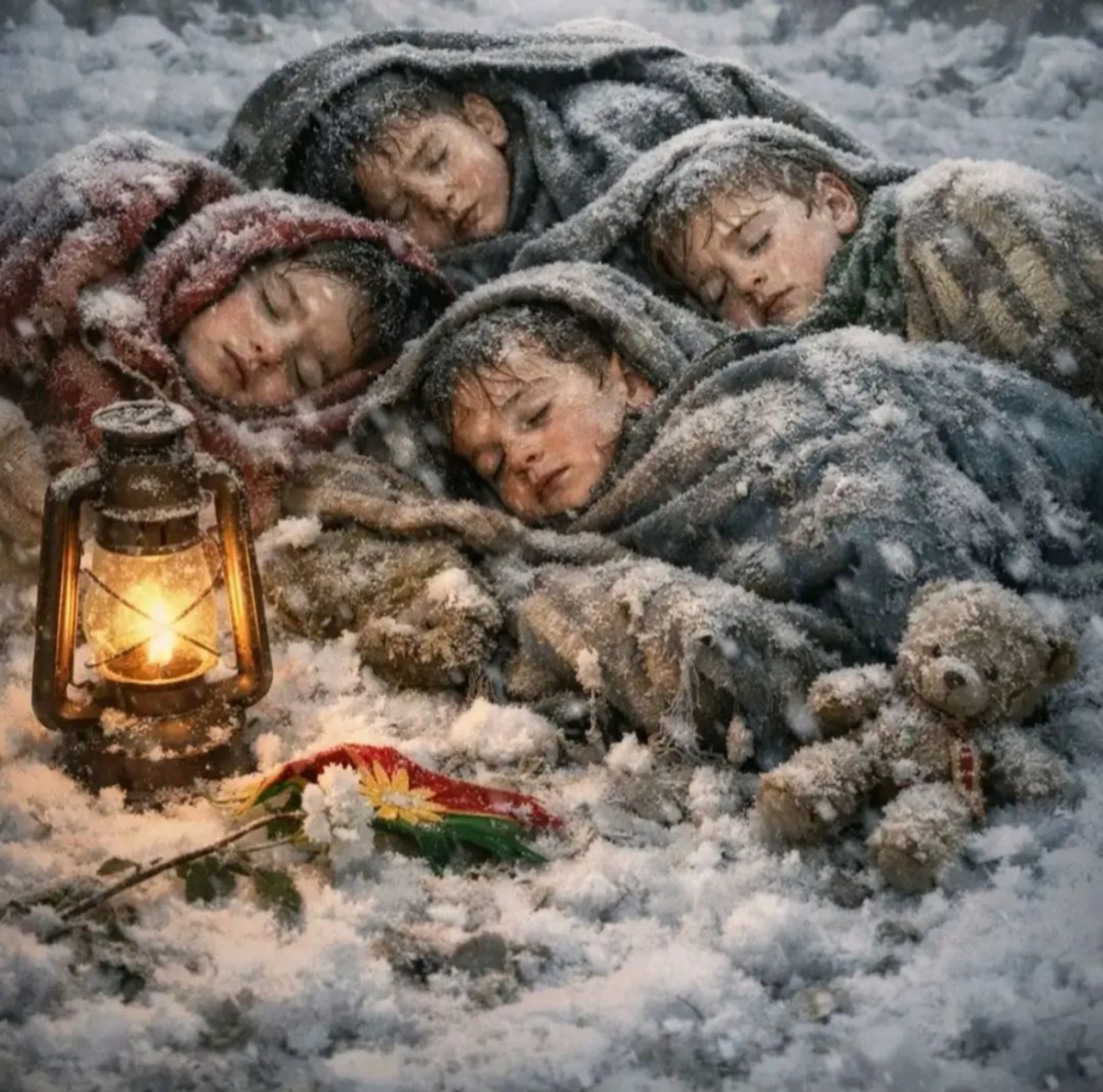
Yesterday Nagorno-Karabakh and Gaza, Today Rojava: The Same Plan, the Same Actors; They Continue to Commit Crimes Against Humanity
Siege is a military tactic; blockade, however, is a method of annihilation that directly targets civilians. In Karabakh, Gaza, and today in Rojava, the imposed blockade aims at social destruction by making life impossible. Geographies change; methods, actors, and outcomes do not.
Nagorno-Karabakh, Gaza, and now Rojava
Different geographies, different peoples; yet what is happening is not disconnected. We are facing different manifestations of a single plan of annihilation, implemented across different arenas by the same strategic mindset, pursuing the same political objectives, and driven by the same centers of power.
At the center of this plan lies the blockade. However, contrary to how it is often presented, a blockade is not a “security measure.” A blockade is the continuation of war by other means. Without the direct use of weapons, it seeks to subjugate people by eliminating the material conditions of life. Access to food, water, electricity, medicine, and healthcare is cut off; humanitarian aid is blocked. People are abandoned to hunger, disease, and a slow death.
It is necessary to draw a clear distinction here. A siege is a military tactic and is primarily applied between fighting forces. A blockade, on the other hand, is directed directly at the civilian population. All connections with the outside world are severed; sources of life are deliberately destroyed. For this reason, a blockade represents a form of annihilation that is far more violent and inhumane than direct military destruction.
Karabakh: A Process That Began with Blockade and Ended with Occupation
This model was implemented in Artsakh (Karabakh) starting on December 12, 2022. Under the supervision of Azerbaijani and Russian “peacekeeping” forces, The Lachin Corridor was closed, placing 120,000 civilians including 30,000 children under blockade for ten months. Access to food, water, electricity, medicine, and healthcare was cut off; humanitarian aid was prevented.
This process turned into a military occupation on September 20, 2023. Approximately 200 people lost their lives, and more than 400 were injured. During air strikes, at least 10 civilians (5 of them children) were killed, 40 were injured, and 13 of the injured were children.
The military toll of the Karabakh war was also heavy: more than 5,000 soldiers were killed, and thousands were left permanently disabled. The fact that approximately 80 percent of those killed were between the ages of 18 and 25 shows that the war did not only destroy civilians, but an entire generation.
In this war, Turkey was not merely a supporting actor, but a force actively present on the ground. The operations of the Azerbaijani army were carried out with Turkey’s military planning and direct involvement. While Israel, Pakistan, and Russia provided military and strategic support, the United States and the European Union gave de facto approval through their silence. Turkey’s role in Karabakh was openly expressed by President Recep Tayyip Erdoğan in his statement: “Just as we entered Karabakh, just as we entered Libya, if necessary, we will also enter Israel.”
In Gaza, the same method produced far more devastating consequences. Following October 7, 2023, Israeli attacks and the imposition of a total blockade resulted in the deaths of more than 70,000 Palestinians, according to various sources. Approximately 70–80 percent of those killed are children, women, and elderly civilians. More than 170,000 people were injured, and approximately 80–90 percent of Gaza’s population nearly two million people were forcibly displaced.
Israel’s targeting of hospitals, along with the blocking of food, water, electricity, and medicine, transformed Gaza into a collective humanitarian catastrophe rather than merely a battlefield. Hamas attacks against Israeli civilians are unacceptable; however, using these attacks as justification for the collective punishment of a civilian population of two million is also unacceptable. While Israel has inflicted deep wounds on the conscience of the world’s peoples through the crimes against humanity it has committed, it has been condemned in international institutions and courts. Anger toward Israel and Netanyahu has manifested in waves of protests by millions of people across the world.
Rojava: The Kurdish People’s Mobilized Resistance Against War, Siege, Blockade, Denial, Extermination, and Genocide
Today, a similar picture is unfolding in Rojava. However, it is no longer possible to describe what is happening with terms such as “conflict,” “tension,” or “ceasefire violation.” While a ceasefire exists on paper, intense and systematic attacks continue on the ground. According to the latest information, at least seven children have lost their lives due to hunger and cold as a result of blockade conditions. This is the direct outcome of a deliberately maintained siege and blockade.
Rojava is currently besieged from three directions: from the south and west by the Syrian army and jihadist armed groups; and from the north by the occupying Turkish army, which recognizes no moral or humanitarian values and seeks the annihilation of the people of Rojava. The siege is not only military; everything related to life itself has been targeted. There is no food, no water, no electricity, no medicine, no healthcare. In the middle of winter, people are left alone with hunger, cold, and disease. This is not a military necessity, but a policy of annihilation based on the slow killing of civilians.
The war launched against the Kurdish people of Rojava is commanded on the ground, as in Karabakh, by the Turkish state and its occupying army. The United States, Israel, the European Union, Saudi Arabia, Qatar, and the war and extermination coalition formed with the jihadist administration they support in Syria have given approval for the occupation of Rojava and the collective annihilation of the Kurdish people by the Turkish army, jihadist gangs, ISIS, and the Syrian army. Information and footage published by international humanitarian institutions and media outlets show the barbaric torture inflicted by Turkish-commanded jihadist groups and ISIS remnants on the people of Rojava especially civilian women and children images that are also shared by these enemies of humanity themselves on social media and in the press.
There is a date that everyone must remember: 2014.
The world knows very well what ISIS and similar jihadist groups did in the region: mass massacres, systematic violence against women, and the targeting of children. The silence of those who condemned these atrocities at the time, now in the face of the same mentality being redeployed with the political and military support of the United States, Israel, Turkey, and the West, will go down in history as a black stain.
There is no need to speculate about what these groups are capable of under tacit international approval. Today, the siege of Rojava is the harbinger of tomorrow’s atrocities.
This is a conscious, planned, and step-by-step process of committing crimes against humanity.
At the beginning of the 21st century, the crime against humanity committed against the Armenian people in Karabakh was later applied to the Palestinian people in Gaza, and today to the Kurdish people in Rojava. The command centers behind the total assaults launched against these oppressed peoples of the Middle East and the Caucasus are the same. War, siege, and blockade; the massacre of thousands of children, women, elderly people, and civilians; the forced displacement of millions and the occupation of the homelands of oppressed peoples… All of this is taking place before the eyes of the modern world, and because the necessary reactions are not shown, the endless attacks continue.
Conclusion
Silence prevailed in Karabakh.
It was too late in Gaza.
Today, there is still time in Rojava.
To ignore the will of a people; to attempt to subjugate them through war, hunger, siege, ethnic cleansing, genocide, and forced exile is a grave crime not only against that people, but against the shared conscience of humanity.
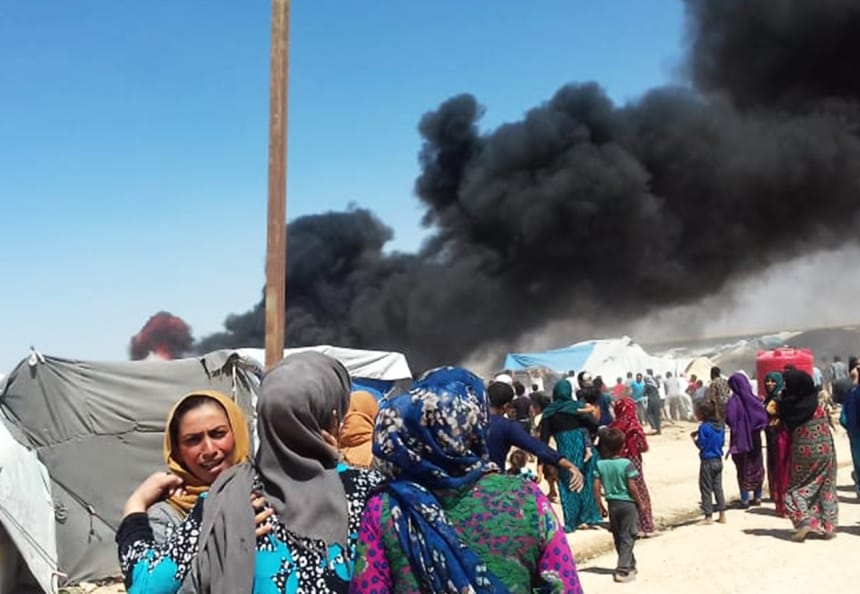
Dün Karabağ ve Gazze, Bugün Rojava: Aynı Plan, Aynı Aktörler; İnsanlık Suçu İşlemeye Devam Ediyorlar!
Kuşatma askerî bir taktiktir; abluka ise sivilleri hedef alan bir imha yöntemidir. Karabağ’da, Gazze’de ve bugün Rojava’da uygulanan abluka, yaşamı imkânsız hâle getirerek toplumsal yok oluşu hedefliyor. Değişen coğrafyalar; değişmeyen yöntemler, aktörler ve sonuçlar…
Karabağ, Gazze ve şimdi Rojava
Farklı coğrafyalar, farklı halklar; ancak yaşananlar birbirinden kopuk değil. Aynı stratejik aklın, aynı politik hedeflerin ve aynı güç odaklarının, farklı sahalarda uyguladığı tek bir yok etme modelinin parçalarıyla karşı karşıyayız.
Bu modelin merkezinde “abluka” yer alıyor. Ancak abluka, çoğu zaman sunulduğu gibi bir “güvenlik önlemi” değildir. Abluka, savaşın başka bir biçimde sürdürülmesidir. Silah kullanmadan, yaşamın maddi koşullarını ortadan kaldırarak insanları teslim almaya yönelik bir yöntemdir. Gıda, su, elektrik, ilaç ve sağlık hizmetleri kesilir; insani yardımlar engellenir. İnsanlar açlığa, hastalığa ve yavaş yavaş ölüme terk edilir.
Burada temel bir ayrımı net biçimde yapmak gerekir. “Kuşatma” , askerî bir savaş taktiğidir ve esas olarak savaşan güçler arasında uygulanır. Abluka ise doğrudan sivil halka yöneliktir. Sivillerin dış dünyayla tüm bağları koparılır; yaşam kaynakları bilinçli biçimde yok edilir. Bu nedenle abluka, savaşın fiziki yok etme yönteminin yerine geçen, çok daha şiddetli ve insanlık dışı bir yok etme biçimidir.
Karabağ: Abluka ile Başlayan, İşgalle Biten Süreç
Artsakh’ta (Karabağ) bu model 12 Aralık 2022’de başladı. Azerbaycan ve Rus “barış gücü” askerlerinin denetiminde Laçin Koridoru kapatıldı ve 120 bin sivil bunların 30 bini çocuk 10 ay boyunca abluka altında alındı. Gıda, su, elektrik, ilaç ve sağlık hizmetlerine erişim kesildi; insani yardımlar engellendi.
Bu süreç 20 Eylül 2023’te askerî işgale dönüştü. Saldırılar sırasında yaklaşık 200 kişi hayatını kaybetti, 400’den fazla kişi yaralandı. Hava saldırılarında en az 10 sivil (5’i çocuk) öldürüldü, 40 kişi yaralandı ve yaralıların 13’ü çocuktu.
Karabağ savaşının askerî bilançosu da ağırdı: 5 binden fazla asker öldü, binlercesi sakat kaldı. Ölen askerlerin yaklaşık yüzde 80’inin 18–25 yaş aralığında olması, savaşın yalnızca sivilleri değil, bir kuşağı da yok ettiğini gösterdi.
Bu savaşta Türkiye yalnızca destek veren bir aktör değil, bizzat sahada fiilen yer alan bir güçtü. Azerbaycan ordusunun operasyonları, Türkiye’nin askerî planlaması ve fiilî katkısıyla yürütüldü. İsrail, Pakistan ve Rusya sürece askerî ve stratejik destek sağlarken, ABD ve Avrupa Birliği sessiz kalarak fiili onay verdi. Türkiye’nin Karabağ’daki rolü, Cumhurbaşkanı Recep Tayyip Erdoğan’ın “Dün Karabağ’a nasıl girdiysek, Libya’ya nasıl girdiysek, gerekirse İsrail’e de gireriz” sözleriyle açıkça ifade edildi.
Gazze: Aynı Modelin Daha Yıkıcı Biçimde Uygulanışı
Gazze’de ise aynı yöntem çok daha yıkıcı sonuçlar doğurdu. 7 Ekim 2023’ten sonra İsrail’in saldırıları ve tam abluka uygulaması sonucunda, farklı kaynaklara göre 70 binden fazla Filistinli hayatını kaybetti. Ölenlerin yaklaşık yüzde 70–80’i çocuklar, kadınlar ve yaşlı sivillerden oluşuyor. 170 binden fazla kişi yaralandı ve Gazze nüfusunun yaklaşık yüzde 80–90’ı, yani 2 milyona yakın insan, zorla yerinden edildi.
İsrail tarafından hastanelerin hedef alınması, gıda, su, elektrik ve ilaç girişinin engellenmesi, Gazze’yi bir savaş alanından öte, toplu bir insani felaket bölgesine dönüştürdü. Hamas’ın İsrailli sivillere yönelik saldırıları asla kabul edilemez; ancak bu saldırıların, iki milyonluk bir sivil nüfusun topluca cezalandırılmasının gerekçesi hâline getirilmesi de kabul edilemez. İsrail işlediği bu insanlık suçları nedeniyle dünya halklarının vicdanında derin yaralar açarken, uluslararası kurumlar ve mahkemelerde İsrail’in ve Netanyahu’nun işlediği suçlar nedeniyle mahkûm edildi. İsrail ve Netanyahu’ya duyulan öfke, dalgalar hâlinde dünyanın dört bir yanında milyonlarca insanın tepkisine sahne oldu.
Rojava: Savaş, Kuşatma, Abluka, İnkâr, İmha ve Soykırıma Karşı Kürt Halkının Seferberlik Direnişi
Bugün aynı plan Rojava’da yaşanıyor; ancak artık olan biteni “çatışma”, “gerilim” ya da “ateşkes ihlali” gibi ifadelerle açıklamak mümkün değil. Ateşkes kâğıt üzerinde dururken, sahada yoğun ve sistematik saldırılar sürüyor. Son gelen bilgilere göre, abluka koşulları nedeniyle en az yedi çocuk açlık ve soğuk yüzünden hayatını kaybetti. Bu, bilinçli olarak sürdürülen kuşatma ve ablukanın doğrudan sonucudur.
Rojava bugün dört koldan kuşatılmış durumda: Güney ve batıdan Suriye ordusu ve cihatçı silahlı çeteler; kuzeyden ise Rojava halkını imha etmek için hiçbir ahlaki ve insani değeri tanımayan işgalci Türk ordusu. Kuşatma yalnızca askerî değil; hayata dair her şey hedef alınmış durumda. Gıda yok, su yok, elektrik yok, ilaç yok, sağlık hizmeti yok. Kış ortasında insanlar açlıkla, soğukla ve hastalıkla baş başa bırakılmış durumda. Bu, bir etnik temizlik; sivilleri yavaş yavaş öldürmeye dayalı bir yok etme politikasıdır.
Rojava’daki Kürt halkına karşı başlatılan savaşın sahadaki komuta merkezi, Karabağ’da olduğu gibi Türk devleti ve onun işgalci ordusu. ABD, İsrail, AB, Suudi Arabistan, Katar ve Suriye’de destekledikleri cihatçı Şara yönetimiyle oluşturulan savaş ve imha koalisyonu; Türk ordusuna, cihatçı çetelere, DAEŞ ve Suriye ordusuna Rojava’nın işgaline ve Kürt halkının toptan imhasına onay vermiş durumdadır. Bölgede faaliyet gösteren uluslararası insani kurumlar ve basın organlarının yayımladığı bilgilerde ve haberlerde, Türk ordusu komutasındaki cihatçı çeteler ve DAEŞ artıklarının Rojava halkına özellikle sivil kadın ve çocuklara barbarca uyguladıkları işkencelerin görüntüleri, yine bu insanlık düşmanları tarafından sosyal medyada ve basında paylaşılmaktadır.
Herkesin hatırlaması gereken bir tarih var: 2014.
DAEŞ ve benzeri cihatçı çetelerin bölgede neler yaptığını dünya çok iyi biliyor. Toplu katliamlar, kadınlara yönelik sistematik şiddet, çocukların hedef alınması… O gün bu vahşeti lanetleyenlerin, bugün aynı zihniyetin bu kez ABD, İsrail, Türkiye’nin ve Batı’nın siyasi ve askerî desteğiyle yeniden sahaya sürülmesine sessiz kalması, tarihe kara bir leke olarak geçecektir.
Bu çetelerin, uluslararası örtük onay altında neler yapabileceğini tahmin etmek zor değil. Bugün Rojava’nın kuşatılması, yarın yaşanacak vahşetin habercisidir. Bu, bilinçli, planlı ve adım adım ilerleyen bir insanlık suçu işlenmesi sürecidir.
21. yüzyılın başında Karabağ’da Ermeni halkına karşı işlenen insanlık suçu, daha sonra Gazze’de Filistin halkına ve bugün de Rojava’da Kürt halkına karşı uygulanmaktadır. Orta Doğu ve Kafkasya’nın bu mazlum halklarına karşı başlatılan topyekûn saldırıların kumanda merkezleri aynıdır. Savaş, kuşatma ve abluka; binlerce çocuk, kadın, yaşlı ve sivilin katliamı; topraklarından zorla göçe gönderilen milyonlarca insan ve vatanları işgal edilen mazlum halklar… Bütün bunlar modern dünyanın gözleri önünde, bu haydut devletler tarafından yapılırken, maalesef dünyada gerekli tepkiler gösterilmediği için sonu gelmez saldırılar devam etmektedir.
Sonuç olarak;
Karabağ’da sessiz kalındı.
Gazze’de geç kalındı.
Bugün Rojava’da hâlâ zaman var.
Bir halkın iradesini yok saymak; onu savaşla, açlıkla, kuşatmayla, etnik temizlikle, soykırımla ve sürgünle teslim almaya çalışmak, yalnızca o halka karşı değil, insanlığın ortak vicdanına karşı işlenen ağır bir suçtur.